
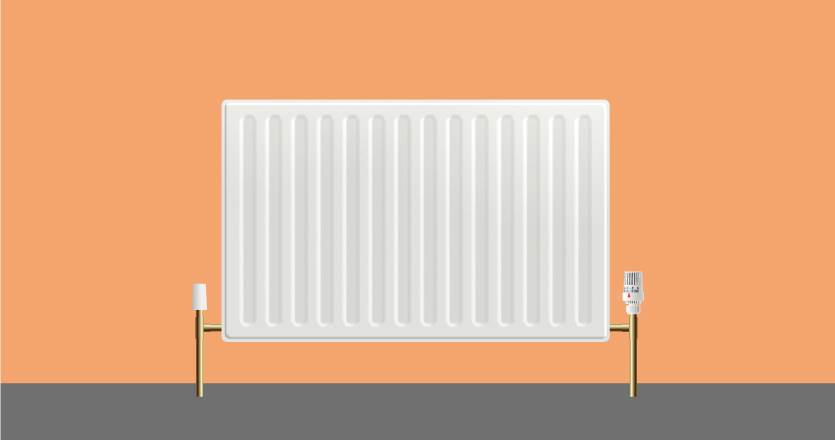
 When your central heating stops working—especially during colder months—it can quickly become uncomfortable and stressful. The good news is that many heating problems have simple causes that can often be identified before calling a heating engineer.
In this guide, we’ll explain 10 of the most common reasons why central heating systems stop working, along with simple checks you can carry out at home.
1. Thermostat Is Set Incorrectly
Sometimes the problem is as simple as the thermostat settings.
If the thermostat is set too low or switched off, your boiler won’t receive the signal to start heating.
What to check:
- Make sure the thermostat is set above room temperature
- Check the heating timer or programmer settings
- Replace batteries in wireless thermostats
2. Boiler Has Lost Pressure
Low boiler pressure is one of the most common reasons central heating stops working.
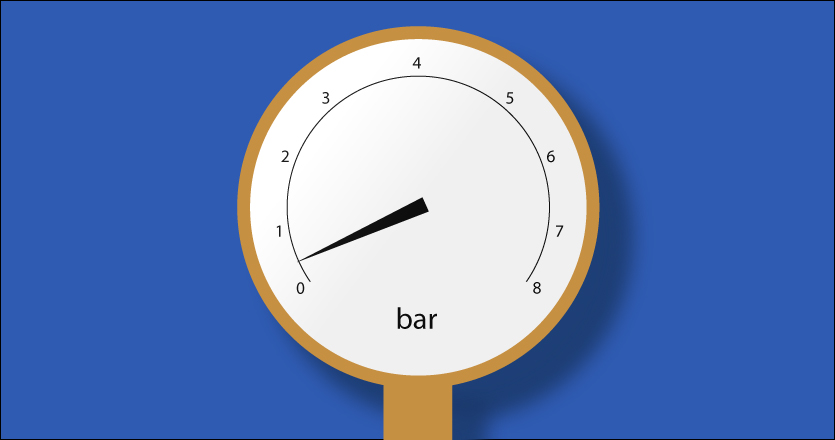
Most boilers operate efficiently at 1–1.5 bar of pressure.
Signs of low pressure:
- Pressure gauge below 1 bar
- Radiators not heating properly
- Boiler shutting down
Possible fix:
Re-pressurising the system using the filling loop (check your boiler manual first).
3. Air Trapped in Radiators
If your radiators are cold at the top but warm at the bottom, trapped air may be preventing hot water from circulating properly.
Solution:
Bleed the radiators using a radiator key to release trapped air.
This is a quick and easy fix that often restores heat immediately.
4. Radiators Are Sludged Up
Over time, heating systems can build up sludge, rust, and debris inside the pipes and radiators.
This can cause:
- Cold spots in radiators
- Poor heating performance
- Blocked circulation
Solution:
A professional power flush may be required to clean the system.
5. Circulating Pump Is Faulty
The pump is responsible for moving hot water around your heating system.
If it stops working, the boiler may run but the radiators won’t heat up.
Common signs include:
- Radiators not heating evenly
- Strange noises from the pump
- Heating working upstairs but not downstairs
This usually requires inspection by a heating engineer.
6. Frozen Condensate Pipe
During very cold weather, the condensate pipe from your boiler can freeze.
When this happens, modern boilers often shut down automatically for safety.
Signs include:
- Boiler displaying a fault code
- Gurgling sounds
- No heating during freezing temperatures
Quick fix:
Pour warm (not boiling) water over the pipe to thaw it.
7. Faulty Motorised Valve
Motorised valves control the flow of hot water between heating and hot water systems.
If a valve fails, your heating may stop working even though the boiler is running.
Typical symptoms include:
- Hot water works but heating doesn’t
- Heating works but hot water doesn’t
This will require professional repair or replacement.
8. Pilot Light Has Gone Out (Older Boilers)
Older boilers rely on a pilot light to ignite the burner.
If the pilot light goes out, the boiler won’t operate.
Possible causes:
- Drafts blowing it out
- Thermocouple failure
- Gas supply issues
If this happens regularly, it’s best to have the boiler inspected.
9. Faulty Boiler Components
Modern boilers contain various electronic components such as:
- PCB (printed circuit board)
- Sensors
- Ignition systems
If any of these fail, the boiler may stop working entirely.
This type of issue requires professional diagnostics.
10. Heating System Needs Servicing
If your central heating system hasn’t been serviced regularly, components may wear out or become inefficient.
Annual servicing helps:
- Prevent breakdowns
- Improve energy efficiency
- Extend the life of your boiler
Regular maintenance is one of the best ways to avoid heating problems.
When to Call a Heating Engineer
While some checks can be done yourself, you should contact a qualified engineer if:
- The boiler keeps shutting down
- Pressure repeatedly drops
- You notice unusual noises or smells
- Heating problems persist after basic checks
A professional inspection can quickly identify and safely repair the issue.
Final Thoughts
Central heating problems are common, especially during winter when systems are working hardest. In many cases, the issue is something simple like low pressure, trapped air in radiators, or thermostat settings.
However, if the problem continues, it’s always safest to have a qualified heating engineer inspect the system to prevent further damage.
Keeping your heating system well maintained with regular servicing and system cleaning will help ensure your home stays warm and comfortable all year round.
 Most homeowners don’t give much thought to their gutters—until something goes wrong. But blocked gutters and downpipes can cause a whole host of problems that go far beyond just an overflow of water. At 1st Clearflow, we see this all the time: small blockages leading to big, expensive repairs.
  Groundworks are the foundation of any construction project, ensuring that buildings, drainage systems, and utilities are properly installed and maintained. Various groundwork services contribute to the stability and efficiency of construction projects, including excavation, drain repairs, site clearance, and drainage system installation.
  Plumbing problems can be a significant source of stress for both tenants and landlords. Understanding who is responsible for addressing and paying for plumbing issues is crucial to maintaining a healthy and functional rental relationship. This guide will clarify the responsibilities of both parties under UK law, ensuring smooth communication and quick resolution when plumbing problems arise.
 Are you looking to create a luxurious wet room in your home? From design to installation, 1st Clear Flow Ltd has got you covered, providing all the necessary skills and experience to create the perfect wet room for your home! Wet rooms are becoming increasingly popular with homeowners across West Sussex for their convenience and modern look.
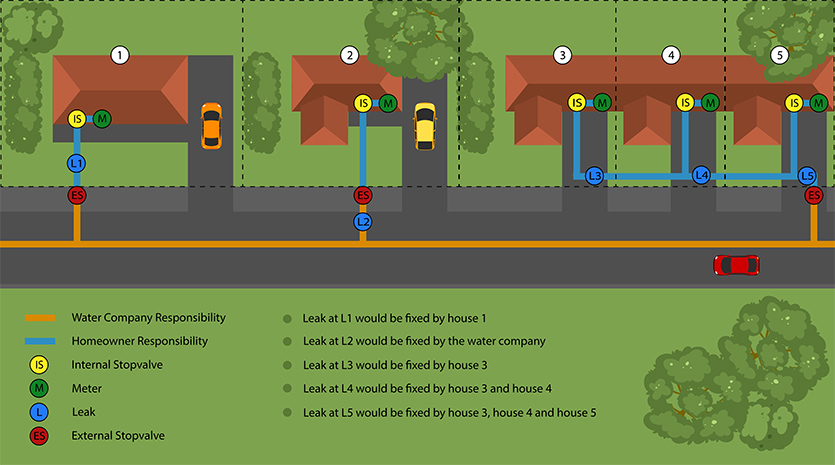 Who is responsible for fixing the Leak?
 Is there anything more inconvenient in life than a blocked drain? Well, there probably is, but you have to admit: Blocked drainage can be a real nuisance!


